
Business Services
Your Library understands that the key to successful business management and healthy growth is convenient and swift access to the best resources. We provide reference services and library resources to help Charlotte-Mecklenburg area businesses succeed.
Local Business Resources
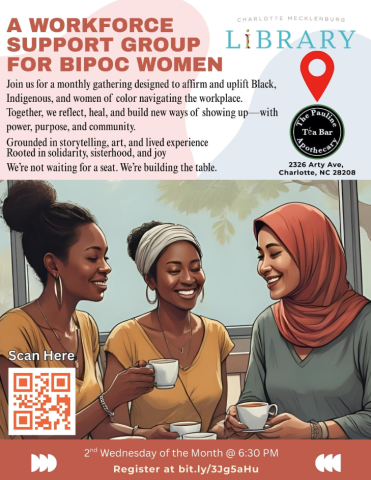
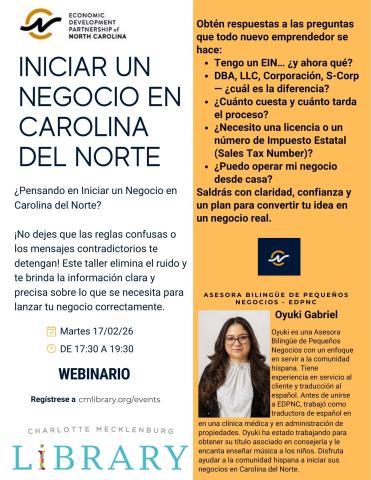
Library Resource Spotlight: Business Market Research Collection (ProQuest)
Business Market Research Collection (ProQuest)
This database contains company, industry, economic and geopolitical market research from three sources, including Hoover's Company Profiles, OxResearch from Oxford Analytica, and Snapshots.
Upcoming Business Services Events
Does your business need:
- Lists of companies in your target market?
- Lists of competitors in your geographic area?
- Names of executives to contact?
- Demographic statistics, trends, and maps?
- Industry data from nearby and from around the world?
- Content for your webpage, tweets, or newsletter?
- Classes on using technology to increase productivity?
Your library has all this and more. Find more information in the Business Resources: Starting a Business LibGuide
Additionally, your library has spaces to meet and work. Meet informally at one of the 20 locations across the county or rent a room for a larger meeting. Your local branch has all the basics - free wifi, Internet and computer access, and Microsoft Office products.
You can find informatation about non-profits by visiting the Non-Profit Services page.
Not sure where to start? Ask to speak with a Librarian at one of our 20 libraries around Mecklenburg County.
Government Documents Resources
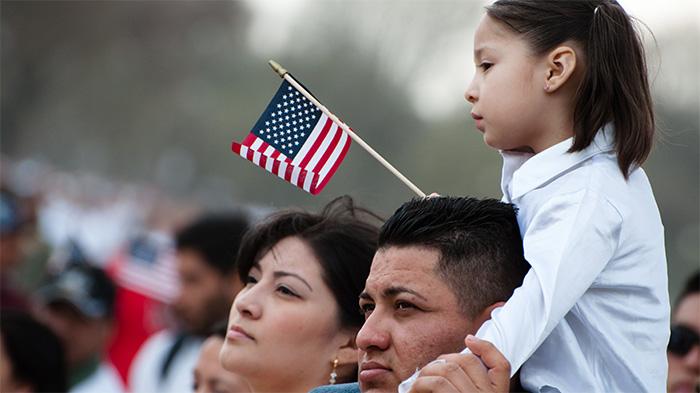
There has been a dramatic shift around federal government resources and information since the change from the Biden to the Trump administration. The UC of San Diego's Federal Government Information After the 2025 Transition guide is intended to help you understand what's going on and find alternative access to resources. Please be aware that links to federal resources found in the UCSD Library catalog, on UCSD Library Guides, and elsewhere may be affected by these changes. The best place to search for archives of missing federal webpages is the Internet Archive's Wayback Machine.
What is DiscoverGov?
DiscoverGov provides simple, one-stop searching across multiple U.S. Federal government databases including GPO's Catalog of U.S. Government Publications (CGP) and GovInfo.
It will retrieve reports, articles, and citations while providing direct links to selected resources and publications available online.

U.S. Government Information: Weekly Roundup
This page is an attempt to provide current awareness of federal government reports and activities. The page will be updated weekly to provide links to important, newsworthy, or interesting material published during the previous week. The goal is to keep the links to a manageable number for readers, not to be a comprehensive listing. All links are captured in the Internet Archive if possible (if not, archive.today is tried as an alternative), and a list of earlier roundups is available.
Please keep in mind that government agencies may present material in a way that reads favorably for the government. You are encouraged to consult other resources (e.g. newspapers) for additional information and/or context.
You can sign up for email notifications of updates by hovering over the Weekly Roundup tab and clicking "Receive Notifications," then entering your email address and hitting the subscribe button on the right side of the page.
Other links of possible interest:
- White House press releases and executive actions
- Roll Call Factbase for Trump transcripts (no longer posted to WH website)
- Regulations.gov | Federal Register
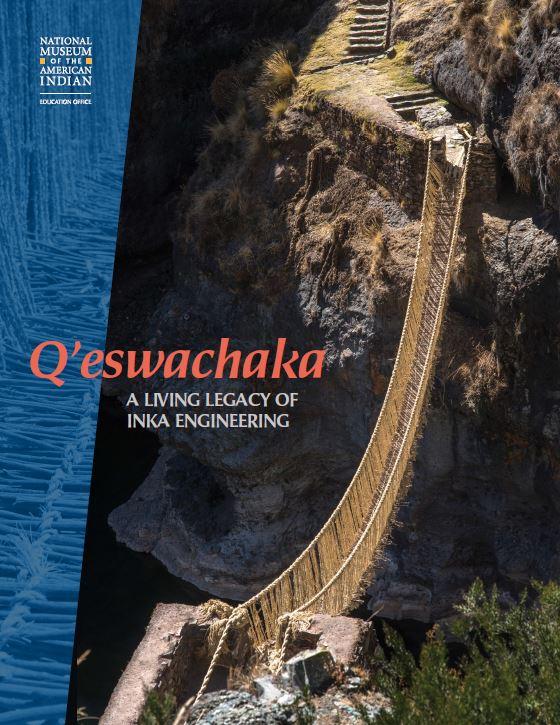
"Native Peoples, students, and allies are responsible for official celebrations of Indigenous Peoples' Day in such states as Maine, Oregon, Louisiana, New Mexico, Iowa, and Washington, DC. Indigenous Peoples' Day is celebrated on the second Monday of October and recognizes the resilience and diversity of Indigenous Peoples in the United States."
Source: https://americanindian.si.edu/nk360/informational/columbus-day-myths; Poster Image: https://americanindian.si.edu/nk360/resources/Qeswachaka-A-Living-Legacy-of-Inka-Engineering
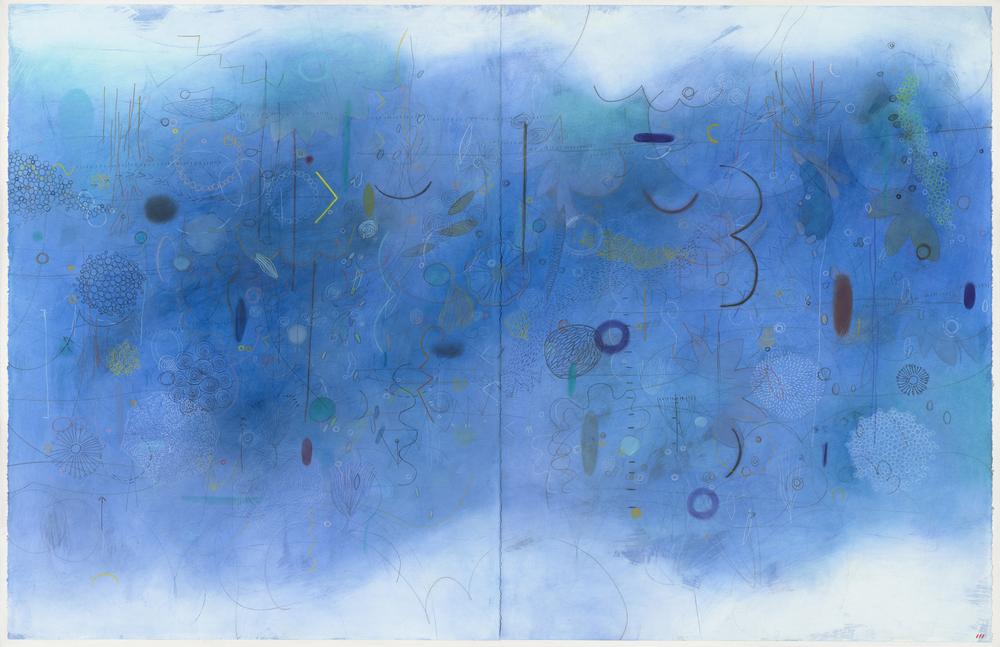
Throughout National Native American Heritage Month, the AFL-CIO will be profiling leaders and activists to spotlight the diverse contributions Native Americans have made to the labor movement and toward expanding the rights of working people.
Image: https://nativeamericanheritagemonth.gov/; Source: https://aflcio.org/tags/native-american-heritage-month
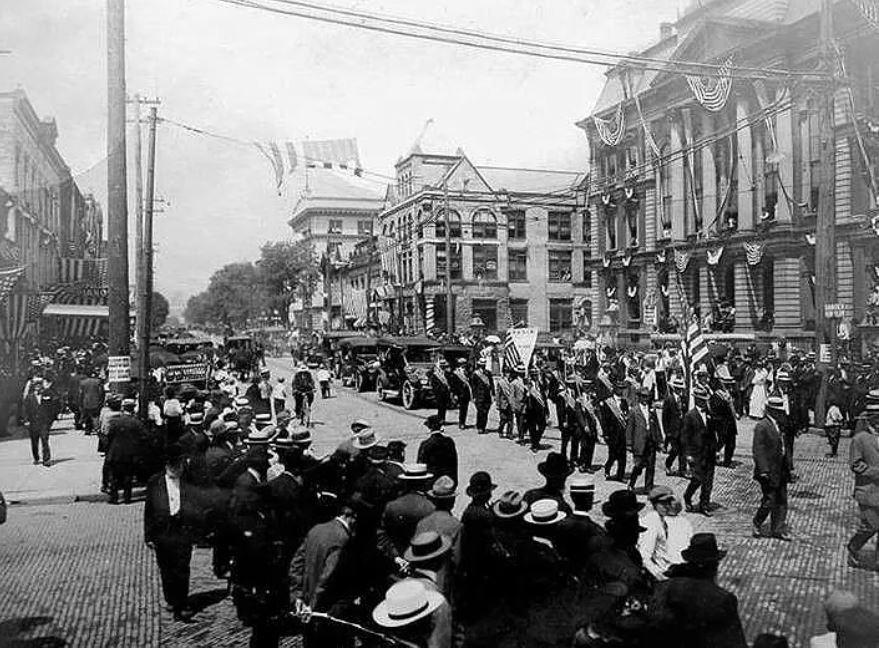
Veterans Resources - Jefferson College Libguide (Home - Veterans Resources - LibGuides at Jefferson College)
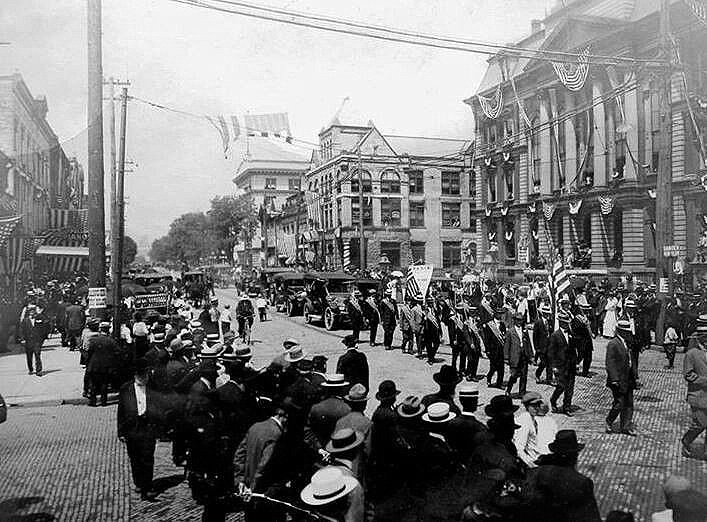
History of Veterans Day
World War I – known at the time as “The Great War” – officially ended when the Treaty of Versailles was signed on June 28, 1919, in the Palace of Versailles outside the town of Versailles, France. However, fighting ceased seven months earlier when an armistice, or temporary cessation of hostilities, between the Allied nations and Germany went into effect on the eleventh hour of the eleventh day of the eleventh month. For that reason, November 11, 1918, is generally regarded as the end of “the war to end all wars.”
Veterans Day continues to be observed on November 11, regardless of what day of the week on which it falls. The restoration of the observance of Veterans Day to November 11 not only preserves the historical significance of the date but helps focus attention on the important purpose of Veterans Day: A celebration to honor America’s veterans for their patriotism, love of country, and willingness to serve and sacrifice for the common good.
Source: https://department.va.gov/veterans-day/history-of-veterans-day/; Image: https://department.va.gov/wp-content/uploads/2022/07/veterans-day-parade-1920.jpg
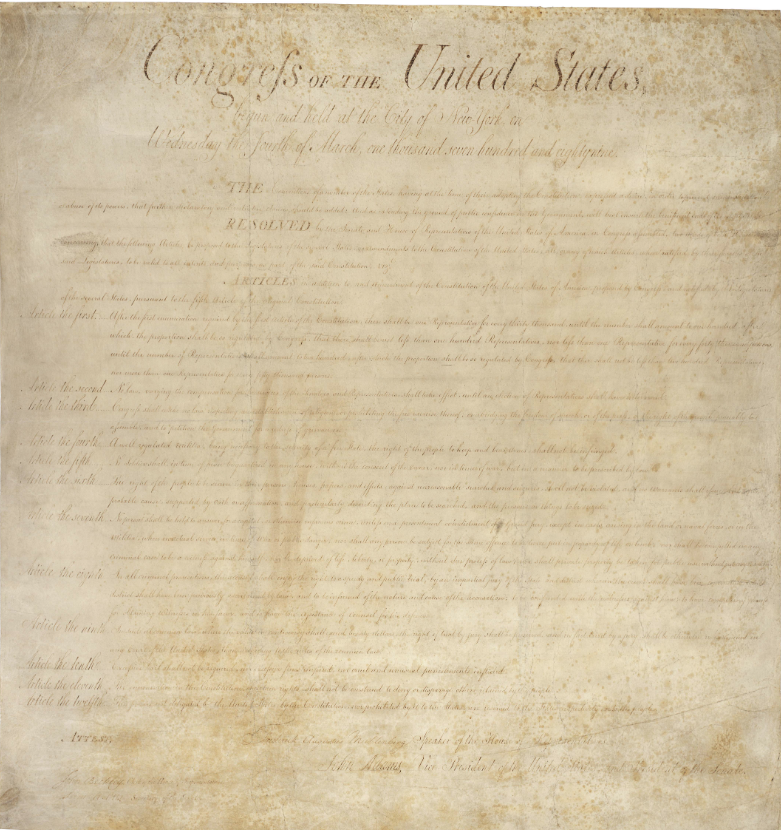
Celebrate the Bill of Rights – the First Ten Amendments to the Constitution – on its anniversary December 15 and throughout the month.
On September 25, 1789, the First Congress of the United States proposed 12 amendments to the Constitution. The 1789 Joint Resolution of Congress proposing the amendments is on display in the Rotunda in the National Archives Museum. Ten of the proposed 12 amendments were ratified by three-fourths of the state legislatures on December 15, 1791. The ratified Articles (Articles 3–12) constitute the first 10 amendments of the Constitution, or the U.S. Bill of Rights. In 1992, 203 years after it was proposed, Article 2 was ratified as the 27th Amendment to the Constitution. Article 1 was never ratified.
Source & Image: The Bill of Rights: A Transcription | National Archives
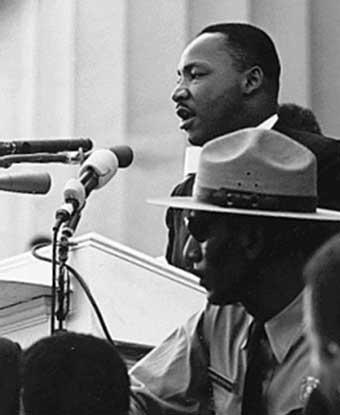

One of Dr. King's quotes inscribed on the North Wall of the Martin Luther King Jr. Memorial in Washington D.C. It was from a letter he wrote while in a Birmingham jail on April 16, 1963. Source: Source: National Park Service
The Martin Luther King, Jr. Holiday celebrates the life and legacy of a man who brought hope and healing to America. We commemorate as well the timeless values he taught us through his example — the values of courage, truth, justice, compassion, dignity, humility and service that so radiantly defined Dr. King’s character and empowered his leadership. On this holiday, we commemorate the universal, unconditional love, forgiveness and nonviolence that empowered his revolutionary spirit.
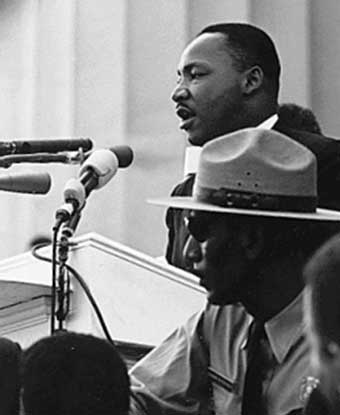
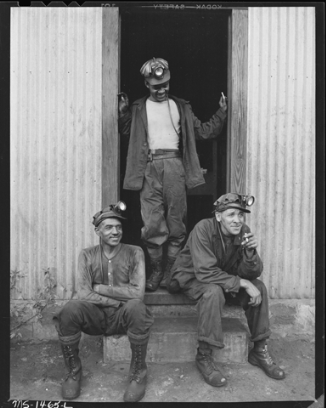
The Library of Congress, National Archives and Records Administration, National Endowment for the Humanities, National Gallery of Art, National Park Service, Smithsonian Institution and United States Holocaust Memorial Museum join in paying tribute to the generations of African Americans who struggled with adversity to achieve full citizenship in American society.
Image: from Power & Light: Russell Lee's Coal Survey, at the National Archives Lawrence F. O’Brien Gallery
Russell Lee’s 1946 coal survey photographs tell the story of laborers who helped build the nation, of a moment when the government took stock of their health and safety, and of a photographer who recognized their humanity.
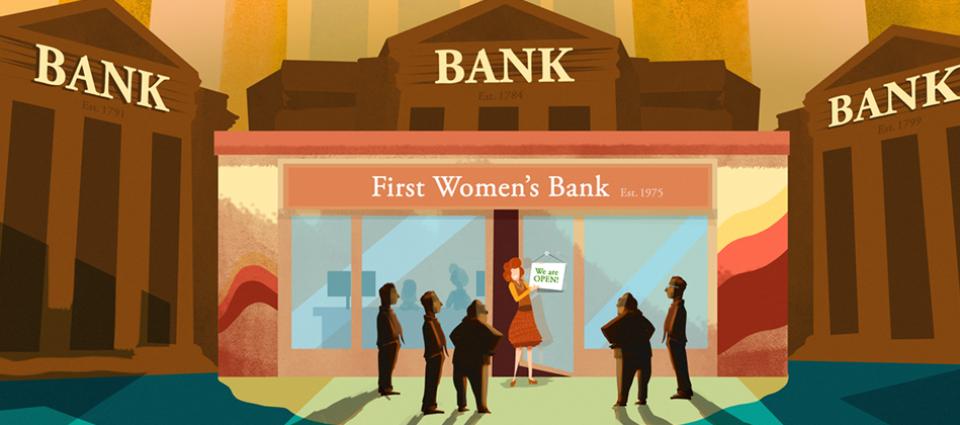
March is Women's History Month The Library of Congress, National Archives and Records Administration, National Endowment for the Humanities, National Gallery of Art, National Park Service, Smithsonian Institution and United States Holocaust Memorial Museum join in commemorating and encouraging the study, observance and celebration of the vital role of women in American history.
You can find audio and video celebrating Women's History Month (like the podcast episode, Bankers in the Boudoir, referenced by the image to the left) here: https://womenshistorymonth.gov/AudioandVideo.html
Source: Women's History Month (https://womenshistorymonth.gov/)