
A history of baseball in Charlotte
August 15, 2019
From radios in cars and TVs in restaurants comes the sound of baseball – the buzz of the crowd, the call of a vendor, the crack of the bat. In the 300 block of South Graham St., the wall of Truist Field (formerly BB&T BallPark) runs right along the sidewalk. Four images are painted on it in commemoration of past Charlotte baseball teams and fields.
Latta Park
A playing area for baseball was cleared in Dilworth, Charlotte’s first suburb.
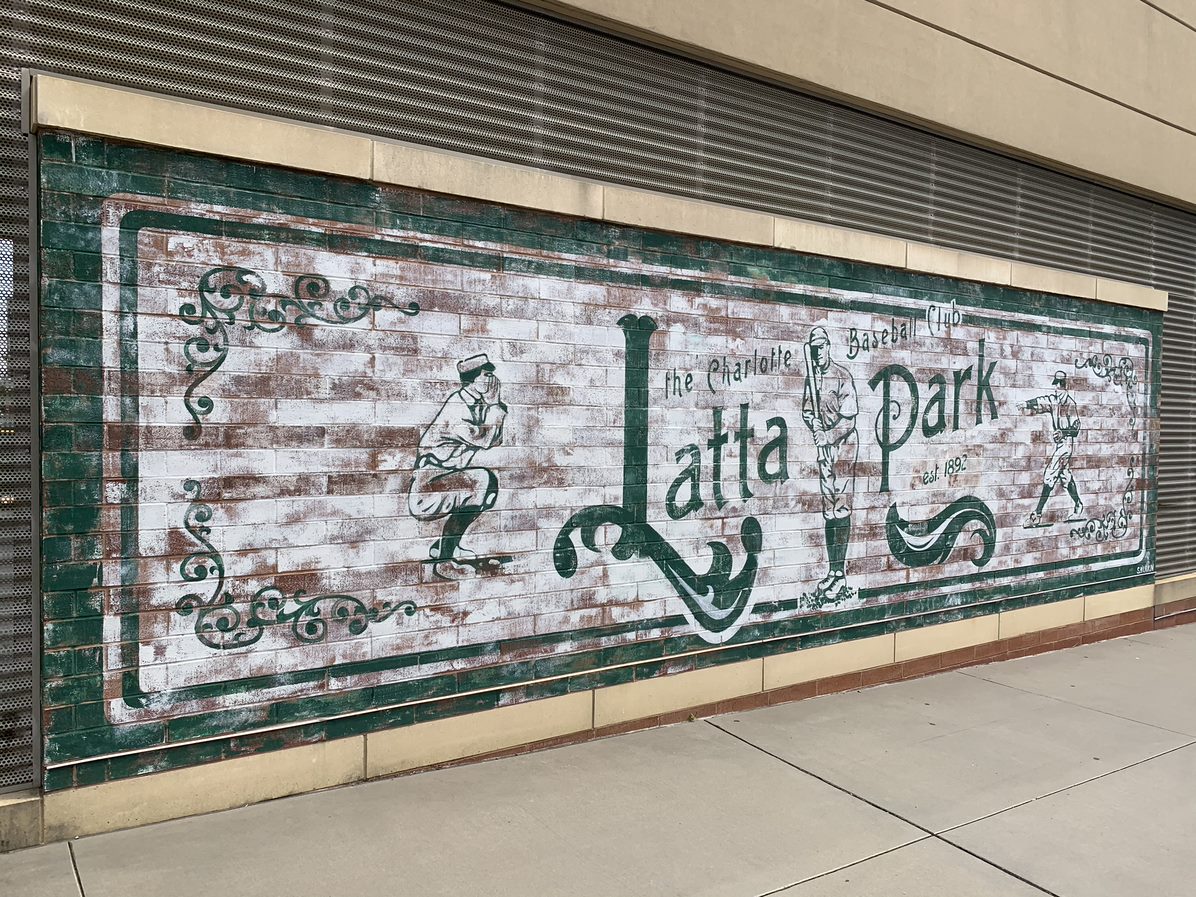 The Charlotte Baseball Club challenged amateur clubs from other cities to games in Charlotte and accepted challenges from other towns. The team’s poor performance one year prompted this sardonic boast in the May 13, 1892 Observer: “There are people who say it can beat the Pineville nine, that is, if Pineville has a nine.”
Wearn Field/Hayman Park
The Wearn name commemorates a whole family. Joseph Henry Wearn and Company were in the lumber business. Members of the family formed “the Wearn Nine” as an amateur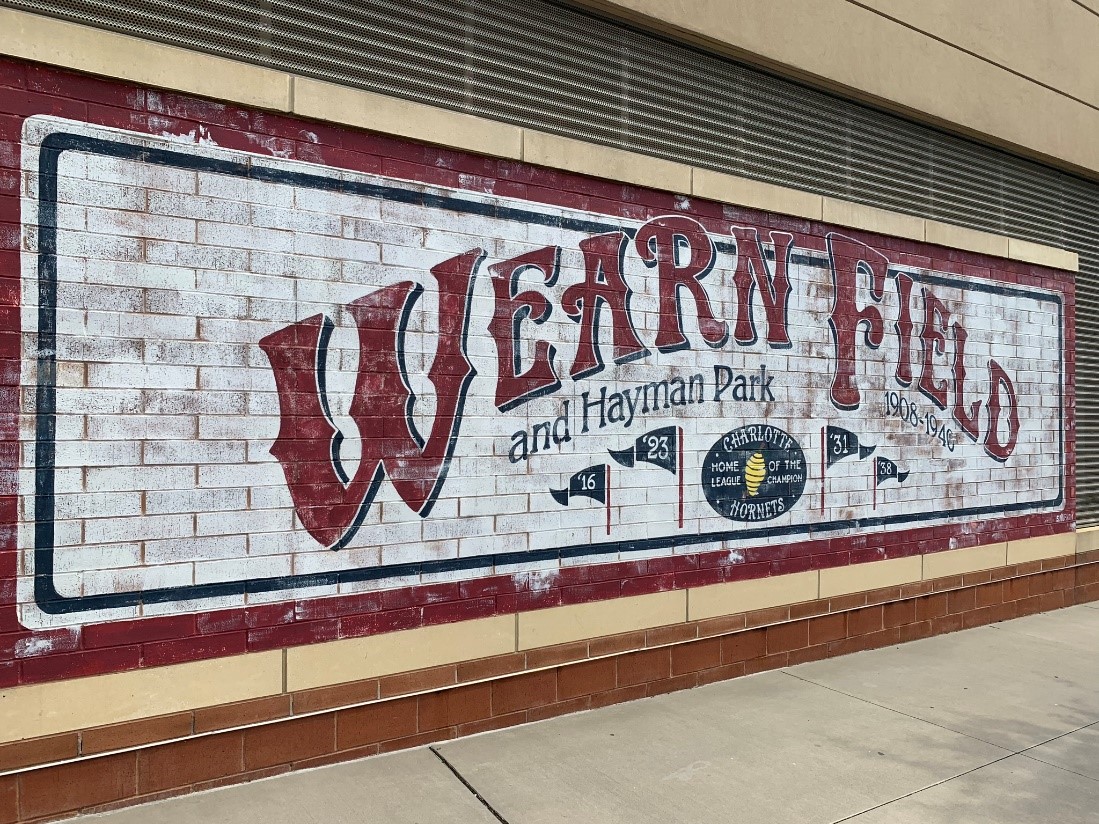 team. J. H. Wearn (1861-1936) became
president of the first professional team in Charlotte and the field was named after him. The league it belonged to folded in 1917.
“Hayman” refers to Felix Hayman, the son of German-Jewish immigrants who, like his father, was a butcher (the family name was sometimes listed without the first “A,” indicating that the first syllable was pronounced with a long “I” sound). He restarted minor-league baseball in Charlotte by organizing the team for the South Atlantic, or “Sally,” League in 1919. Years after his death in 1932, people told stories about his baseball sense, his business flair and his charity work. The story goes that Felix once traded a turkey from his butcher shop for a player (Charlotte Observer, February 1, 1931, Sec.1, p.8).
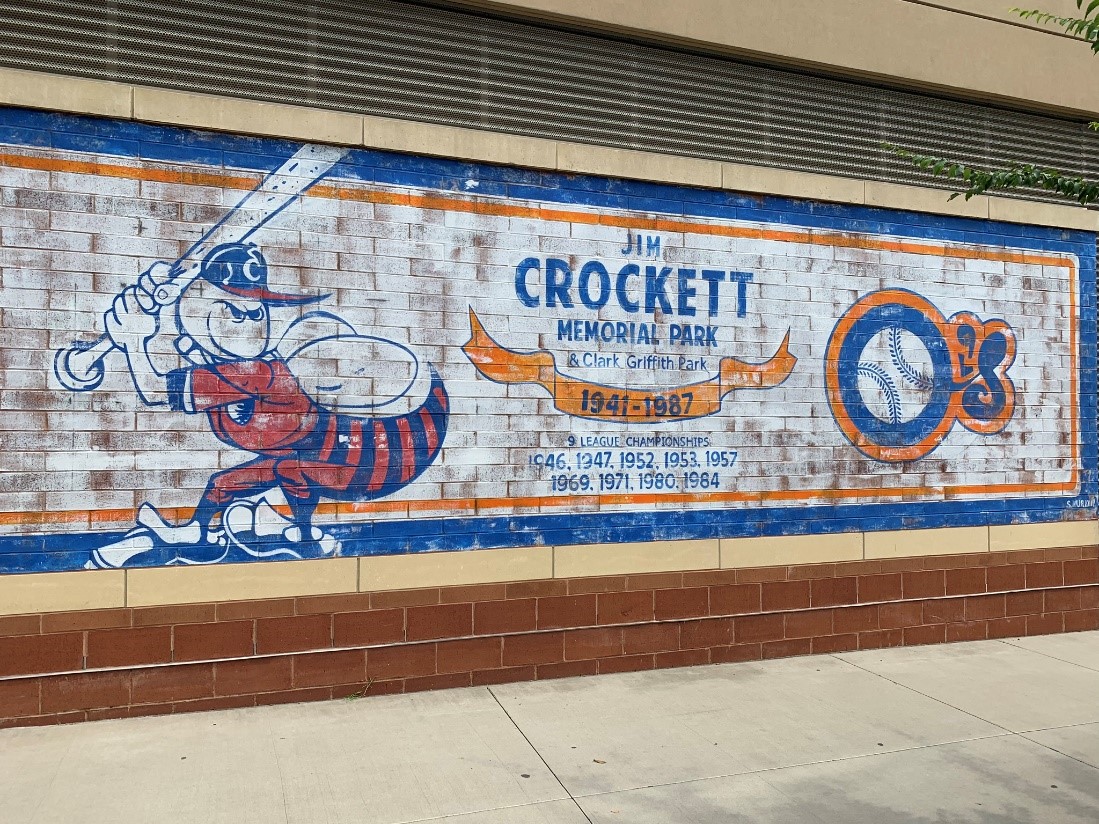
Clark Griffith Park/Jim Crockett Memorial Park
In 1941, the Charlotte Hornets were acquired by Clark Griffith, owner of the Washington Senators, and began to play in a new stadium on 400 Magnolia Ave. in Dilworth. The Senators became the Twins and they pulled their minor league team out of Charlotte in 1972.
Charlotte went three seasons without a professional baseball team until the Baltimore Orioles relocated their AA farm team here in 1976. The stadium changed its name following the death of Jim Crockett, who had brought the team to Charlotte. His daughter, Frances Crockett, ran the team until 1987, seeing it through a fire that destroyed the wooden stadium in March of 1985. The Crocketts sold the team in 1987, which changed its name to the Charlotte Knights and moved to play in Fort Mill, South Carolina.
Buster Sloan served as groundskeeper at Griffith Park from its opening until his death in 1978. Sloan and family lived in an apartment under the bleachers. Fans could smell the chicken frying on their stove (Charlotte Observer, June 27, 1978).
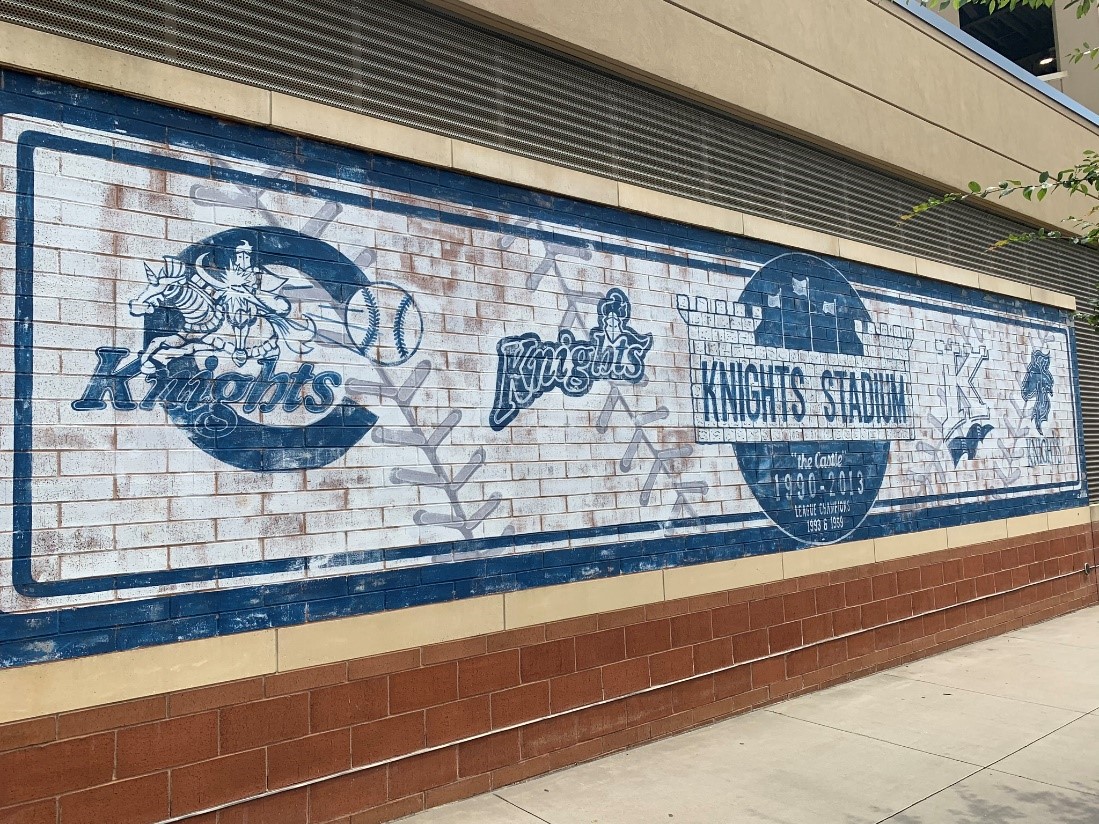
Knights Stadium
Beginning in 1990, the Charlotte Knights began play in Knights Stadium in Fort Mill. In 1997, the team began its association with the Chicago White Sox and moved up to AAA affiliation, which remained the case to the end of their time in Fort Mill and into the uptown era as well.
Other Teams
Up to 1976, all these teams were called the “Charlotte Hornets,” and up to 1954, they fielded white players only. African American baseball players organized their own teams as early as 1876. (Charlotte Observer, July 2, 1876, p.4) The “Brown Hornets” shared Griffith Park with the other Hornets. Textile mill workers also organized their own baseball teams and leagues. The story of their so-called “Outlaw” League is told in an online exhibit of materials from the Robinson-Spangler Carolina Room of the Charlotte Mecklenburg Library.
Want to learn more about baseball in North Carolina? The Robinson-Spangler Carolina Room has the Hank Utley Baseball Collection. In this collection you will find interesting documents and artifacts that were used in Utley’s book about the notorious “Outlaw” baseball league that formed in the late 1930s. There are newspaper clippings, interviews, biographies, statistics and photographs/negatives.
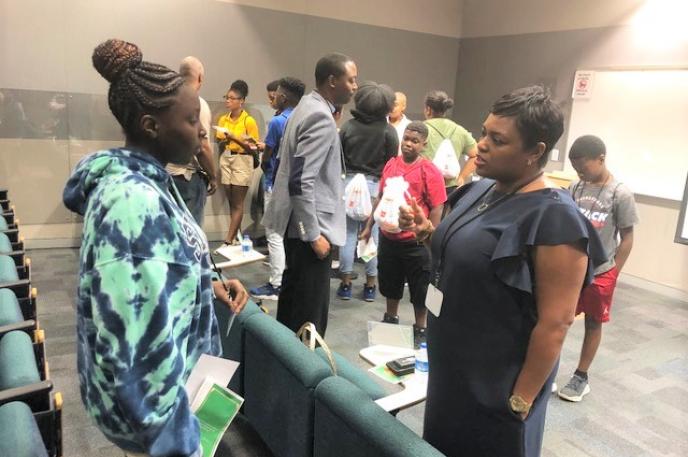
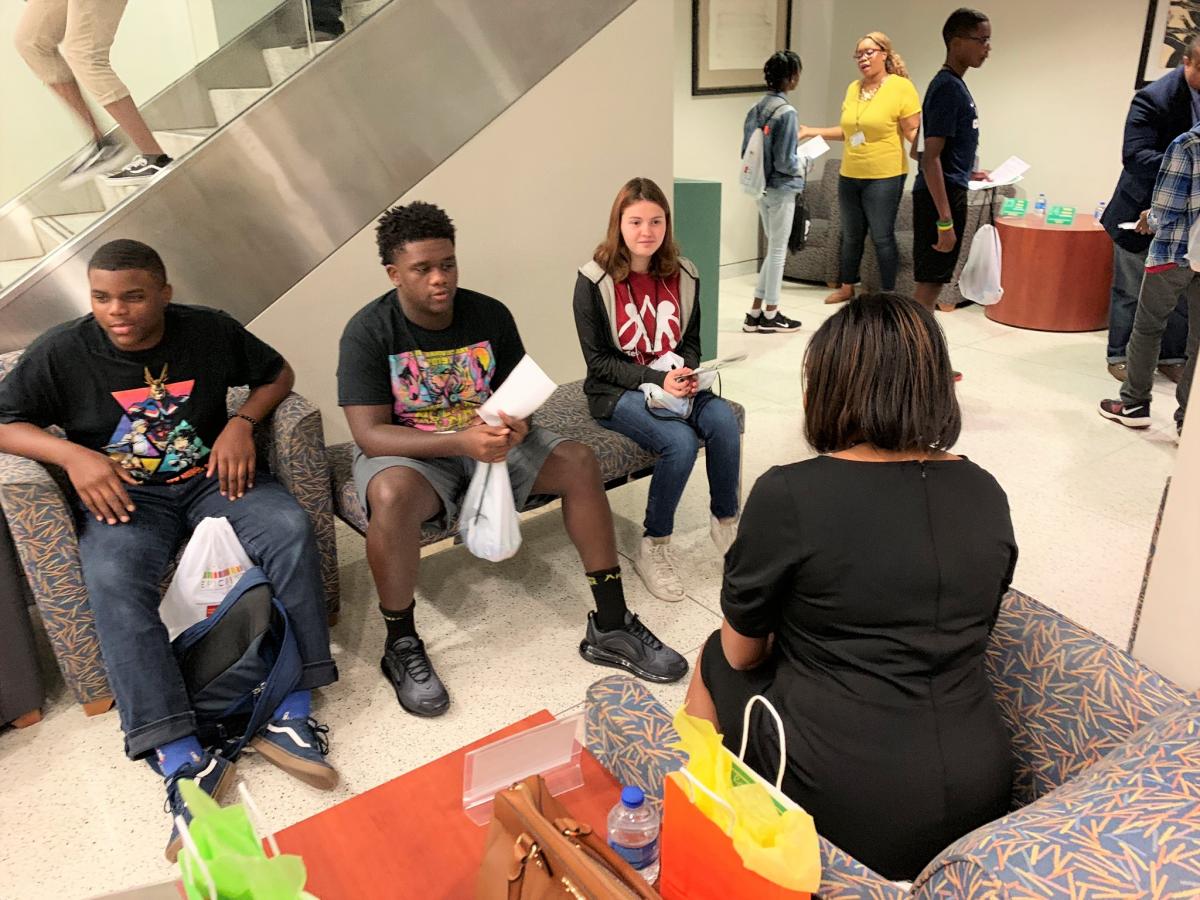 erving the community as a librarian, through speed mentoring. The youth were also able to ask questions to panels of African American PhD students, UNCC undergrad students, participated in a tour of the campus and so much more.
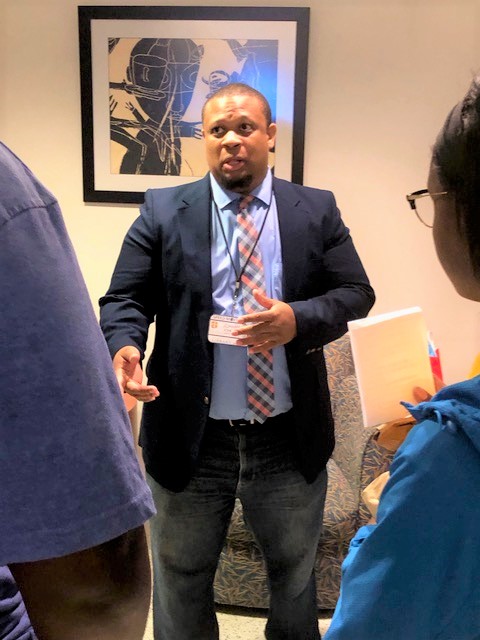 d this event was helpful and something they wish they could’ve experienced when they were younger.
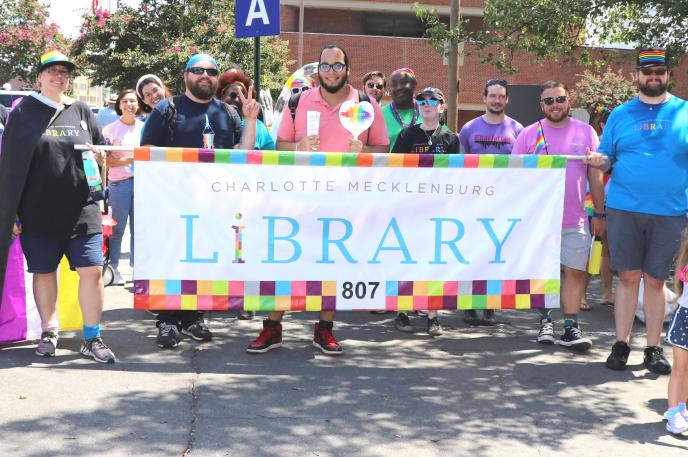
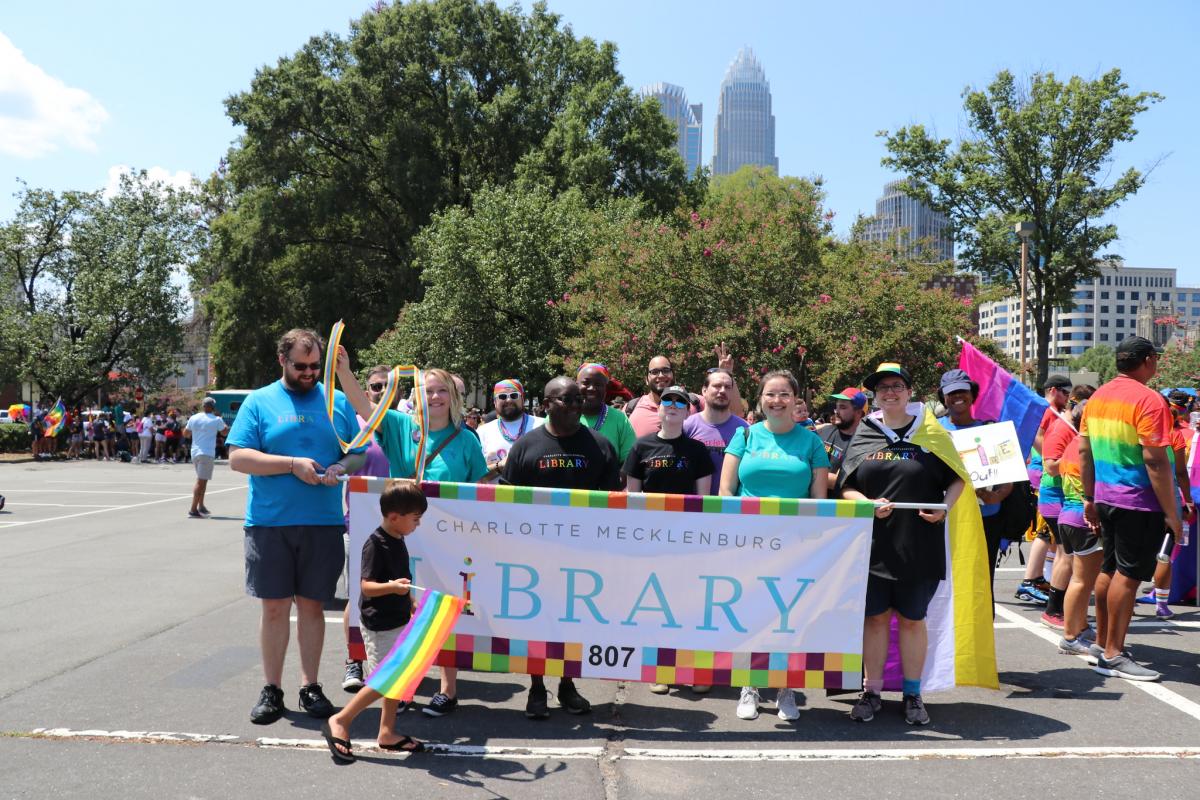
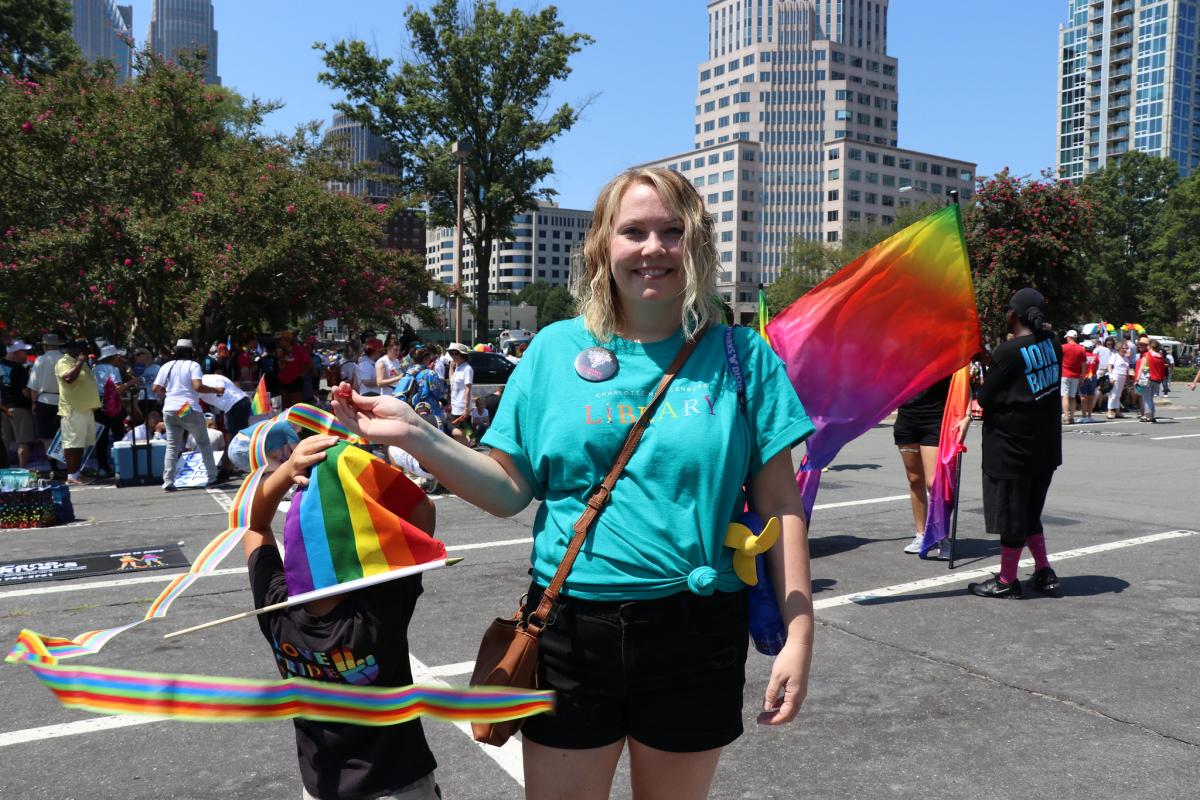 diversity and inclusion. As part of that mission, the Library started participating in the Pride Parade in 2018 by being one of the many groups to walk in the parade. Our group photo of that day gained the most likes on Instagram of all the library posts up to that point. During the parade, it was clear by the amount of people excitedly shouting, “It’s the library!” that our participation was important to our community.
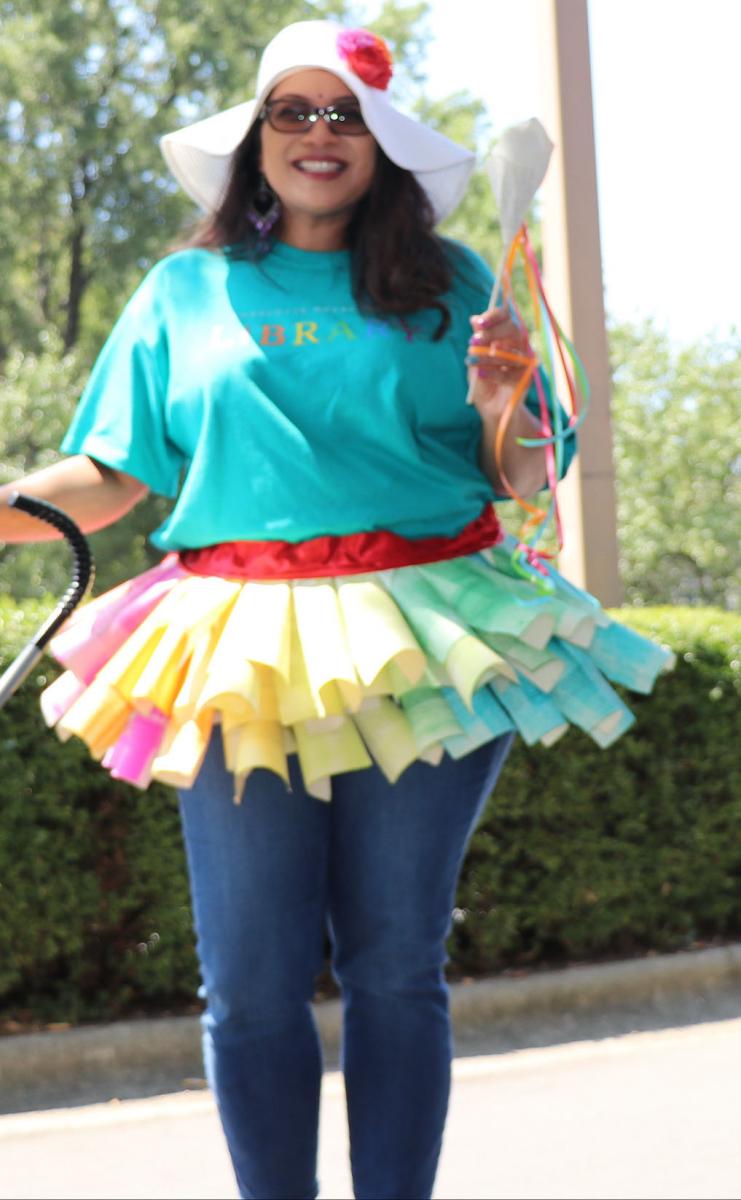 This year, 25 staff members and their families from different library locations participated in the parade and represented the system by walking. One of the participants said, “I’m so glad I was able to participate. Seeing how supportive and appreciative the community was makes me glad the Library is involved. I can’t wait to participate next year!” Those who were not able to attend the parade aided in various way leading up to the event. Thank you to all who supported our efforts to bring Library resources to the Charlotte community and helping us build a stronger community!
  significant gay, lesbian, bisexual, transgender or queer/questioning content, aimed at children and youth from birth to age 18.
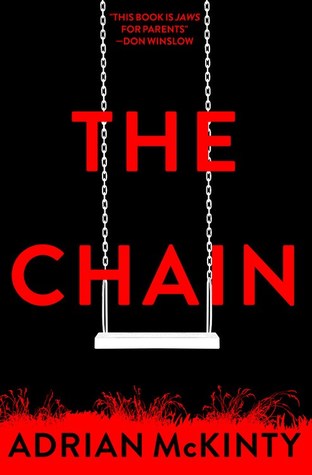 demand mystery books. For instance, the psychological thriller
 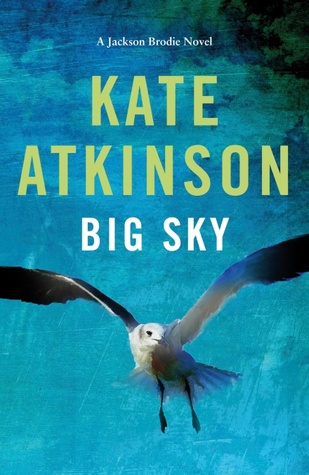 What other options do mystery lovers have for the remainder of the season? We suggest revisiting some of selections released earlier this year that might have been overlooked. Here’s a
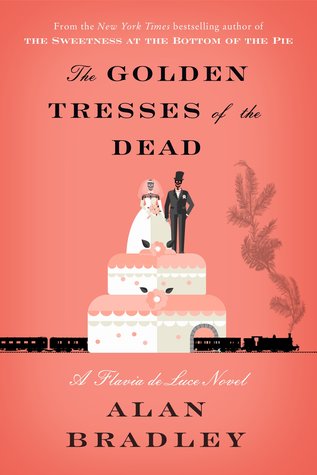 Lieutenant Eve Dallas to the witty English mystery