Wait time for new book arrivals may increase. Learn more

920 of 1133 results
Thumbnail

Find "Comunidad" at the Library during Hispanic Heritage Month

September 11, 2024

    Este blog fue escrito por Darrell Anderson, especialista en marketing y comunicaciones de la biblioteca Charlotte Mecklenburg.


    ¿Sabía que los hispanoamericanos conforman el grupo de inmigrantes más grande de los EE. UU.? Tan solo en el condado de Mecklenburg, se calcula que un 15 % de la población, es decir, 169,922 residentes, se identifican como hispanos.


    Desde el 15 de septiembre hasta el 15 de octubre, las comunidades de todos los Estados Unidos honran sus historias, culturas y contribuciones ricas de hispanos y latinoamericanos durante el Mes de la Herencia Hispana (Hispanic Heritage Month). Este año, la biblioteca Charlotte Mecklenburg adhiere a este momento especial con una serie de eventos y programas participativos que demuestran la diversidad y la vivacidad de nuestra comunidad hispana.


    Un mes para celebrar la herencia y la cultura


    La biblioteca es mucho más que un lugar para pedir libros prestados: es un centro de conexión comunitaria y enriquecimiento cultural. Invitamos a la comunidad hispana a “encontrar la comunidad” (o “find community”), y les recordamos que todos son bienvenidos en nuestro lugar. La biblioteca Charlotte Mecklenburg asume el compromiso de servir a todos los miembros de la comunidad, lo que se pone de manifiesto con su personal bilingüe y que habla español. Conozca a algunos de ellos y compruebe por qué la comunidad es tan importante en su trabajo.
    Image
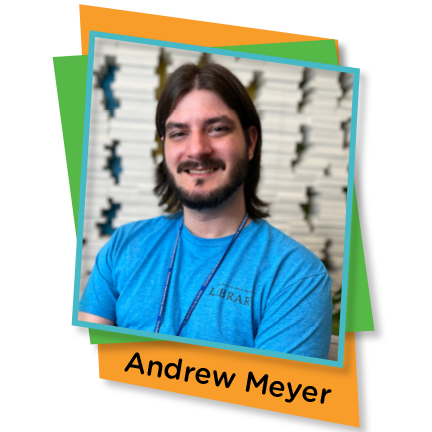
    Andrew Meyer
    Asistente de Biblioteca, Biblioteca Plaza Midwood:


    “Para mí, la comunidad significa ‘familia’. En la comunidad, tenemos un sentido de pertenencia y no nos sentimos juzgados por quiénes somos o por lo que hemos hecho en el pasado. Es una oportunidad de crecer y alcanzar todo nuestro potencial”.
    Image
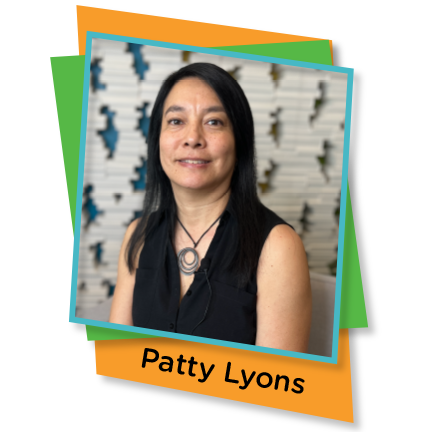
    Patty Lyons
    Bibliotecaria, Biblioteca Mint Hill:


    “Para mí, la comunidad es un grupo de personas que viven en el mismo vecindario o que se rodean de quienes les dan un sentido de pertenencia. Aunque vivo en Cornelius, trabajo en la biblioteca de Mint Hill y creo que formo parte de la comunidad a la que sirvo”.
    Image
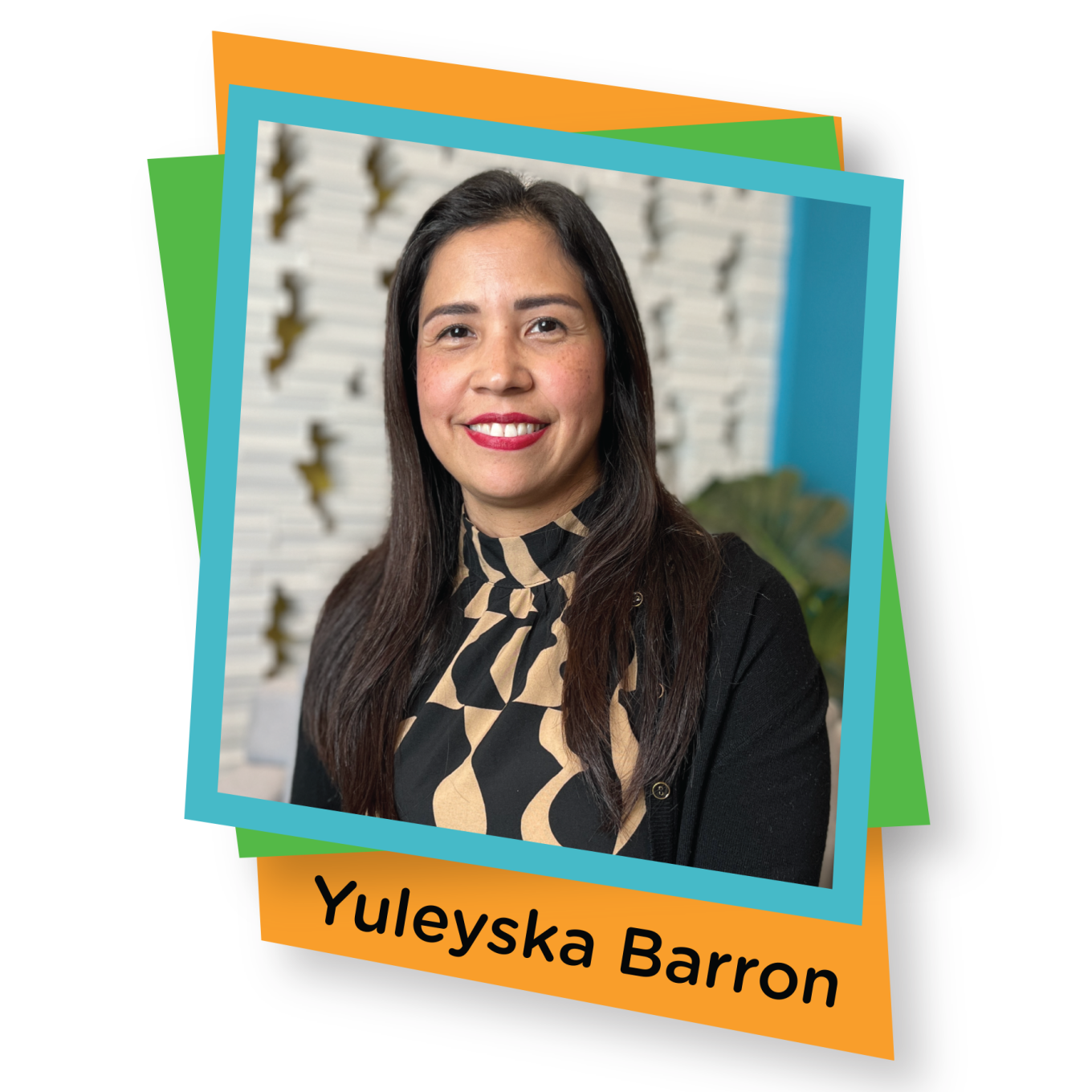
    Yuleyska Barron
    Gerente de Servicios de Acceso, Biblioteca Regional Independence:


    “Para mí, la comunidad implica un entorno en el que pueda crecer, adaptarme y compartir mi vida y mis intereses. Creo que la biblioteca es una parte importante de este proyecto porque somos la fuente de confianza para ofrecer todo tipo de recursos que pueden ayudar a las personas a mejorar su vida”.

    Cómo conectarse


    Si es un residente que habla español o conoce a alguien que podría beneficiarse de los servicios de biblioteca bilingüe, aquí se detalla cómo puede aprovechar al máximo lo que la CML tiene para ofrecer:


    Visite la biblioteca: Visite cualquier sede de la biblioteca y pregunte por los miembros del personal que lo pueden ayudar en español. Contamos con varios miembros bilingües en todo el sistema, así como tabletas con traducción digital disponibles en todos los centros bibliotecarios para ofrecer una asistencia más personalizada. Nuestro amable personal está aquí para hacerlo sentir cómodo y bienvenido en nuestras sedes, sin importar qué idioma hable. Encuentre una sede cerca de usted aquí.


    Asista a programas bilingües: Esté atento al calendario de eventos de la biblioteca para descubrir narraciones de cuentos, talleres y eventos culturales. Estos programas están diseñados para ser inclusivos e interesantes para las familias que hablan español. Consulte nuestros programas aquí.


    Utilice los recursos en línea: Esta biblioteca ofrece muchos más materiales en español que otras (casi 22,000 libros impresos solamente) para satisfacer las necesidades de la comunidad. Explore los recursos digitales de la biblioteca, que incluyen libros, libros electrónicos y otros materiales en español. OverDrive/Libby, una de las plataformas digitales de la biblioteca, tiene una colección en español que se actualiza con frecuencia con nuevos títulos. Puede acceder aquí.


    Mientras nos reunimos a celebrar el Mes de la Herencia Hispana, honremos el pasado, abracemos el presente y miremos hacia un futuro enriquecido con las diversas voces e historias de nuestra comunidad. ¡Acompáñenos en la biblioteca y sea parte de esta celebración trascendental!


    This blog was written by Darrell Anderson, marketing and communications specialist for Charlotte Mecklenburg Library.


    Did you know that Hispanic Americans make up the largest immigrant group in the United States? In Mecklenburg County alone, an estimated 15% of the population, or 169,922 residents, identify as Hispanic according to recent census data.


    From September 15 to October 15, communities across the United States honor the rich histories, cultures, and contributions of Hispanic and Latino Americans during Hispanic Heritage Month. This year, Charlotte Mecklenburg Library is embracing this special time with a series of engaging events and programs that showcase the diversity and vibrancy of our Hispanic community.


    A Month-Long Celebration of Heritage and Culture


    The Library is more than just a place to borrow books; it's a hub for community connection and cultural enrichment. We invite the Hispanic community to “encontrar comunidad” or “find community” and know that all are welcome within our doors. Charlotte Mecklenburg Library has a commitment to serving all community members which is exemplified through its bilingual and Spanish-speaking staff. Meet just a few of them and learn why community is so important to their work:

    Image
    Andrew Meyer
    Library Assistant, Plaza Midwood Library:


    “For me, community means ‘family.’ Community is a place where you have a sense of belonging and don't feel judged for who you are or the things you have done in the past. It is an opportunity to grow and reach your full potential.”

    Image
    Patty Lyons
    Librarian, Mint Hill Library:


    “For me, community is a group of people who live in the same neighborhood or who are surrounded by those who give them a sense of belonging. Although I live in Cornelius, I work at the Mint Hill Library and feel like I am actually part of the same community I serve.”

    Image
    Yuleyska Barron
    Access Services Manager, Independence Regional Library:


    ‘For me, community means an environment where I can grow, adapt, and share my life and interests. I think the Library is an important part of this project because we are the go-to source for providing all of these resources that can help our clients improve their lives.”

    How to Connect


    If you’re a Spanish-speaking resident or know someone who would benefit from bilingual library services, here’s how you can make the most of what CML offers:


    Visit the Library: Drop by any Library branch and inquire about staff members who can assist you in Spanish. We have several bilingual staff members across the system as well as digital translation tablets available at all Library locations for more individualized assistance. Our friendly staff is here to make you feel comfortable and welcomed into our branches no matter what language you speak. Find a branch near you HERE.


    Attend Bilingual Programs: Keep an eye on the Library’s events calendar for upcoming bilingual storytimes, workshops, and cultural events. These programs are designed to be inclusive and engaging for Spanish-speaking families. View our programs HERE.


    Utilize Online Resources: By far, the Library offers more Spanish materials than others (nearly 22,000 print books alone) to match the community’s needs. Explore the library’s digital resources, which include Spanish-language books, e-books, and other materials. OverDrive/Libby, one of the Library’s digital platforms, has a Spanish collection that is frequently updated with new titles.
     

    As we come together to celebrate Hispanic Heritage Month, let’s honor the past, embrace the present, and look forward to a future enriched by the diverse voices and stories of our community. Join us at the Library and be a part of this meaningful celebration!
    Thumbnail

    2024 Summer Bookmark Contest for Children

    September 13, 2024

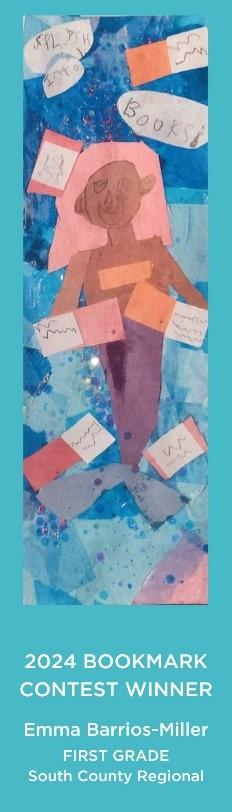
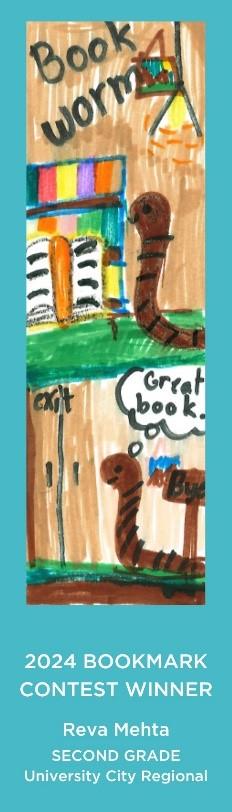
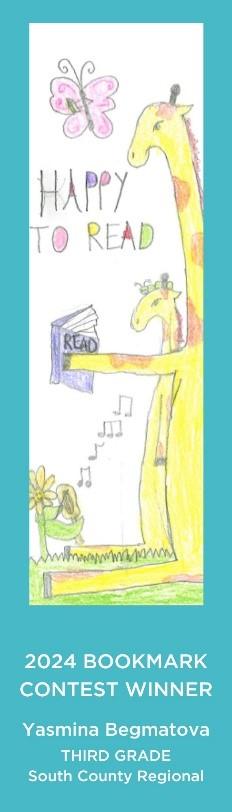
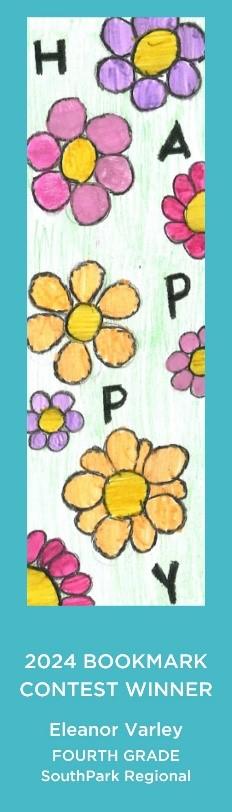
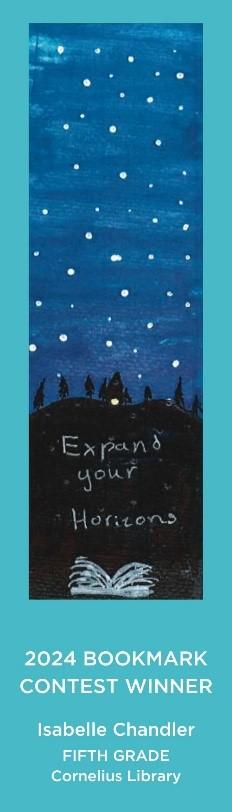
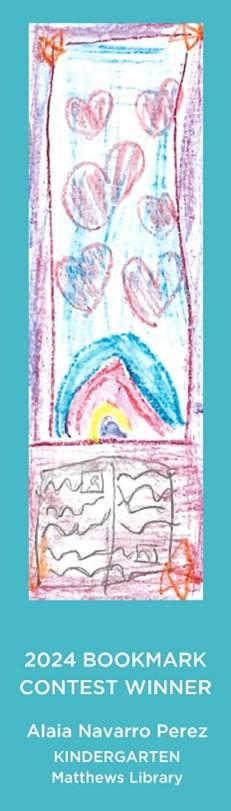
    This summer, Charlotte Mecklenburg Library hosted our first ever bookmark contest for children in grades K-5 to encourage reading, learning, and exploring while showcasing the creativity of our community. And you better believe it—y’all are creative! 


    We received over 800 bookmark entries—including ones from every library location as well as entries from outside of Mecklenburg County and even outside of North Carolina! Themes included everything from love of books and reading (which made our hearts so happy!) to nature, animals, positive messages, and beautiful patterns. We also got to see unique materials used to complete the challenge, with everything from watercolors, stickers, beads, and even playdough used in some of the designs!


    The depth and breadth of talent was so much that we changed course when it came to our winners. While we originally planned to select just 2 winners (one for grades K-2 and one for grades 3-5), it quickly became clear we needed a winner for each grade level. Our amazing summer Volunteens helped us narrow down selections and then voted on the winners at the end of the contest. The teen input was so valuable, and we appreciate their time and dedication to this project!


    We are thrilled to announce the winners below, and copies of each bookmark will be available to pick up in every library location while supplies last. A huge thank you to our community for your response to this contest, and CONGRATULATIONS to our winners.

    Image
    Image
    Image
    Image
    Image
    Image
    Image
    Image
    NC Kids Digital Library: Level Up
    Summary

    NC Kids Digital Library offers e-books, audiobooks, and Read-Alongs for readers grade 4 through grade 8.

    Details
    Library Card
    On
    E-Books

    Thumbnail
    Learn to recycle right with Charlotte Mecklenburg Library and Mecklenburg County.

    Learn to recycle right with Charlotte Mecklenburg Library and Mecklenburg County.

    April 19, 2021

    Mecklenburg County 7 Recycling FAQs & Answers

    On May 11, Charlotte Mecklenburg Library will host a FREE webinar to teach our patrons ages 12+ how to Recycle Right! Advanced registration is required to receive the participation link. Recycling resources will be shared with registrants before and after the program.

    Register here

    Library staff is organizing the event with two residential recycling educators. In preparation for the event we asked the public educators what they most need residents to understand. They didn’t hesitate to explain how materials need to be prepared correctly to be efficiently sorted at the recycling center. Here are their two critical requests:

    • Do not bag recyclables! Plastic bags cause tremendous operational and financial challenges for our processing facility. No flexible plastic wraps, films, bags or packaging should ever be put in the recycling cart.
    • Recyclables must be loose, clean, dry and empty! Recyclable items must be placed individually in the recycling cart, not in bags, for the separation equipment to function properly. Never put one type of recyclable inside of another (i.e. aluminum cans in a cardboard box.) All recyclables must be non-contaminated. This means every individual item must be clean, dry and empty, with no residue of the original contents (i.e. food.)


    Following are the questions solid waste staff receive weekly*:

    *Please note these are the recycling guidelines for Mecklenburg County, requirements may differ slightly in other counties.

    1. What plastic items can I put in my residential curbside cart?

    ONLY plastic bottles and jugs, with a pourable neck or spout that is smaller at the top than the base, are accepted. These are the only pure plastic types that we can sell on the recyclable materials commodity market. Labels do not need to be removed.

    Examples include: Water and soda bottles of any colors, milk or juice jugs, laundry jugs, shampoo or lotion bottles (pumps should be removed and trashed first.)

    Please note the following common household plastics are not accepted in Curbside Recycling:

    Plastic bags/bubble wrap, produce clamshells, yogurt cups, dairy tubs, takeout food containers, styrofoam, zip pouches, vitamin and medication bottles, disposable utensils and plastic cups, buckets, storage containers, hoses.

    1. What recycling symbol numbers (1, 2, 5, 7 etc.) are accepted locally?

    None. See question FAQ #1 above listing the only plastics that are acceptable.

    The RICs (resin identification codes) listed inside the chasing arrows triangle on the bottom of plastic packaging are, unfortunately, no longer reliable. Therefore, we do not use them anymore.

    1. What do I do with lids and caps?

    Never place loose lids or caps in the recycling cart. Loose lids and caps are small and fall through our machines and end up contaminating the glass that is collected. Glass mixed with plastic and metal caps (among other things) cannot be sold to processors as raw materials as it is considered contaminated – so keep the plastic caps on the bottles.

    It is “ok” to leave securely attached plastic caps and lids on clean, dry and empty cartons, bottles, jugs and jars. Never try to recycle caps by themselves.

    1. How much grease is tolerated to recycle pizza boxes?

    Somewhere between a smidge and a tad; Yes that is an intentionally vague answer! Of course we prefer to only accept clean and dry cardboard to only process and sell by the ton the highest quality recyclables. We definitely do not want whole pieces of pizza or crust left in the box (yes it happens!) Cheese, sauce and crumbs are also contaminants. If ½ your box is clean, rip that part off to recycle and please trash anything with food or grease residue.

    1. Are aluminum foil and pans (pie, lasagna, roasting) recyclable?

    No. Our machines can only recognize and sort aluminum cans. Additionally, more often than not these common aluminum food storage items are contaminated with food. Remember we do not want food residue on anything.

    1. How do I dispose of household batteries?

    Rechargeable batteries must be disposed of properly because they contain hazardous elements such as lithium, nickel, and metal hydrides. Never place rechargeable batteries in your trash or recycling carts as they are the number one cause of fires at our facilities. Please take rechargeable batteries to the household hazardous waste station at one of our full service drop off centers.

    Traditional alkaline batteries can be put in the trash to be sent to the landfill, because they do not contain any hazardous elements.

    1. What types of glass can be recycled?

    Similar to plastics (see FAQ #1), only glass bottles and jars typically used in your kitchen or bathroom are accepted. All colors of glass are accepted. Caps and lids can remain on, if securely attached, (see FAQ #3). Labels do not need to be removed.

    We prefer separated glass be brought to our full service drop off centers and deposited into the large yellow dumpsters marked, “Clean Glass Only.”

    Please note the following common household glass items are not accepted:

    Dishes and glasses, pyrex/corning ware, vases, bulbs, picture frames, windows, aquariums, ceramics, porcelain, crystal.

    To learn more and have all of your questions answered live, please register for an upcoming Recycle Right presentation. If you still have questions, email [email protected] or visit wipeoutwaste.com.

    --

    This blog was written by Maitri Meyer, residential waste reduction educator for Mecklenburg County.

    Thumbnail
    Organize your home with Joanna Clausen and Charlotte Mecklenburg Library.

    Let’s get organized with Joanna Clausen of NEST Organizing

    April 20, 2021

    Does the clutter in your home have you feeling stressed and overwhelmed? Does your home look out of control? An organized home helps you focus more, it relieves stress and saves you time. It improves your overall health.

    Join us online as Joanna Clausen, Owner of NEST Organizing in Huntersville, NC, shares her tips and tricks for getting organized. Joanna is a mother of three and a professional organizer. She uses her passion for organization to help others take control of their home and stuff. Learn more about Joanna here.


    To learn the NEST organization process for how to reset, declutter, sort, purge and clean:

    May 4, 2021 at 7 p.m. Register here.

    May 5, 2021 at 6 p.m. Register here


    Make cooking meals easier by having a clean and ready-to-go kitchen. To learn techniques to organize your kitchen and pantry:

    May 11, 2021, at 7 p.m. Register here.

    May 12, 2021 at 6 p.m. Register here.


    Turn your home office into a productive workspace. To declutter and sort your home office and papers:

    May 18, 2021 at 7 p.m. Register here.

    May 19, 2021 at 6 p.m. Register here.


    Keep, donate, trash and shred. This is a personal journey. Let’s create organizational habits, reenergize your home and organize for success.

    Thumbnail
    Participate in the art of oral and traditional storytelling  with virtual Storyvine Thursday, May 6, 2021 from 9:30 a.m.-2:30 p.m.

    Storyvine 2021 goes digital

    April 22, 2021

    Once upon a time there was a storytelling festival. It was derailed by an evil pandemic until, one day, a fearless team of storytellers put their magical forces together to conquer the odds and climb the mighty fortress of digital programming and (cue dramatic music)… share their stories with the world!  

    Since 1976, the Charlotte Mecklenburg Library has been partnering with Charlotte Mecklenburg Schools to introduce as many local children in grades K-5 as possible to the artform of oral and traditional storytelling. A team of Library staffers across all 20 Library branches raise their hands each May to become the Frontline Storytellers, heading into CMS partner schools to tell stories from all over the world to thousands of Charlotte school children in a single day. 

    Although unable to participate in 2020, the Charlotte Mecklenburg Library is thrilled to announce that we are back in full force with Storyvine 2021, which will be fully digital and open not just to CMS students but, for the first time ever, to the public as well. 

    On Thursday, May 6, 2021 from 9:30 a.m.-2:30 p.m., there will be more than 10 different storytellers sharing traditional tales on the ImaginOn Facebook page and Charlotte Mecklenburg Library YouTube channel every 30 minutes from Germany, Russia, Africa, England, Panama, the Caribbean, Peru, the Native American and Appalachian traditions, and more!  

    Download our calendar for a full schedule of stories and viewing links

    If you’re a teacher or educator who would like to celebrate with us, we’ve created a lesson plan HERE with additional discussion points. 

    On behalf of the Charlotte Mecklenburg Library, we invite you to join us for this full-day digital storytelling experience as Storyvine 2021 lives on--dare we say--happily ever after. 

    --

    This blog was written by Becca Worthington, children's librarian at ImaginOn: The Joe & Joan Martin Center.

    Thumbnail
    Learn about economic empowerment with the Library's Money Magnets program.

    Learn about economic empowerment with Money Magnets

    April 22, 2021

    Money Magnets, sponsored by Self-Help Credit Union, is a club for kid entrepreneurs that gives families opportunities to learn from local Black entrepreneurs. Money Magnets was one of West Boulevard Library’s responses to the Chetty Study, which highlights conditions that make it difficult for Charlotteans who are born into poverty to transition out of poverty. Money Magnets disrupts poverty by providing resources for economic empowerment to kids and their responsible adults in areas most likely to be negatively affected by this trend.

    Money Magnets was piloted as a start-up social entrepreneurial effort during the Charlotte Mecklenburg Library’s observance of Money Smart Week in 2019. Alexandra Arrington, a former child entrepreneur herself, designed and facilitated the programs. Money Magnets teaches elementary schoolers and their families about financial literacy, community-mindedness, and character education within the framework of business ownership. Reinforcement of literacy and vocabulary, building social capital, and encouraging calculated risk are also included. Perhaps the greatest opportunities provided are networking with and being coached by successful local Black entrepreneurs and earning a modest amount of seed money to begin their businesses.

    Alexandra Arrington, LCMHCA, NCC, BC-TMH  

    Another benefit of our focus on kids’ experience with these concepts is that their responsible adults are also involved and work with the student to support their learning, as well as reinforce their own understanding. The four-session online Money Magnets program offers follow-up individual online coaching as well. KidPreneurs in training who attend three Money Magnets programs, complete a business plan, and pitch their business idea in a R.I.C.H. Circle receive $25 in seed funding for their business plus a $25 Youth Savings Account at Self-Help Credit Union. Learn more about this program and the various sessions offered:  

    Session One: The Business of Being You

    Got an idea? This session will focus on the importance of being who you are and learning what you like to help you decide on what business to start. Special guest entrepreneur, hip-hop artist, Chief Operating Officer, and multimedia design artist, David “Dae-Lee” Arrington will join us to share his experiences.

    This program is offered online from 6-7p.m. on Wednesday, April 28, 2021. Registration is required.  

    Register

    Money Magnets One-on-One Strategy Session

    These individual coaching sessions are an online follow-up program for The Business of Being You. Sessions are offered by appointment only and are geared toward helping kidpreneurs-in-training get one-on-one assistance with fleshing out their business ideas and learning about specific resources. Open to K-5 students and their responsible adults who attended The Business of Being You.

    This program is offered online on Saturday, May 1, 2021. Register for one 15-minute session that falls between 1 p.m. and 3 p.m.

    Register

    Upcoming Session Topics

    Each of these programs is followed by relevant One-on-One Strategy Sessions.

    The Business of Family Business - May 26, 2021

    Special guest entrepreneurs are millionaire and generational wealth expert, Steven L. Stack, and his 8-year-old daughter, Nia.

    The Business of Caring - June 30, 2021

    Special guest entrepreneur is organic product developer, Ayesha Murphy.

    The Business of Launching - July 28, 2021

    Surprise special guest entrepreneur.

    --

    This blog was written by Teresa Cain, librarian at West Boulevard Library.

    Thumbnail
    A young person reads poetry from Charlotte Mecklenburg Library on a mobile device.

    Dive into award-winning poetry for National Poetry Month

    April 22, 2021

    April is a National Poetry Month and whether you're a fan of limmerick, free verse, haiku or sonnet poetry, Charlotte Mecklenburg Library has your preferences covered. If you're looking to explore a new work of poetry or you're craving a certified classic, check out a book from our list of recommended titles below.

    Click here to find this AWARD-WINNING list in the Library catalog.


    ADULT

    The Tradition by Jericho Brown
    2020 Pulitzer Prize winner, Poetry

    Brown's third collection (after The New Testament) pulsates with the acute anxieties of racial and sexual difference, the psychologically complex intersections of personal intimacy with social responsibility and the inescapable legacy of violence and pain intrinsic to vulnerable lives in an unjustly constructed world. A consummate craftsman, Brown conveys emotional and provocative content through plainspoken yet subtly lyrical forms whose delicacy only heightens the subversive force of his ideas, which can be delivered with unabashed, declarative candor. Verdict: Though many poems here risk intruding on some readers' comfort zones, Brown's uneasy fusion of art, conscience, eroticism and rage - like any serious poetry worth close attention - aspires to greatness within the fragmented immediacies of our historical moment while suggesting a shared human destination:"A poem is a gesture toward home."

    Only as the Day is Long by Dorianne Laux
    Teaches at NC State, Pulitzer finalist, A National Book Critics Circle Award finalist and a recipient of the Oregon Book Award and the Paterson Prize

    Featuring selections from five books augmented by 20 new poems, this generous volume from Laux (The Book of Men) reads something like a life story: notably, one that begins with familial fear, incest and abuse. Travelling through confusion, adult sex, motherhood, love, fatigue and redemption, Laux ends where she begins: with her mother, who is, to the last, a troublesome nurse. In spite of everything, the poet can't help but celebrate the self's mistakes and triumphs. When Laux welcomes readers into a personal moment, she speaks for humankind: "We've forgotten the luxury of dumbness/how once we crouched naked on an outcrop/ of rock, the moon huge and untouched/above us, speechless." Concrete places abound: bedroom, trailer, hospital psychiatric ward, a porch. There is a lot of sex; for example, "Vacation Sex," an aroused version of a travel tour, revels in its own obsessive pleasure. Some of the best poems here appear toward the chronologically organized collection's end, where humor arrives despite a mother's growing dementia. And in the long biographical poem "Arizona," Laux writes lovingly of that same mother's face as "a map of every place she'd been." This is a catalogue of honest work, from beginning to end.

    The Carrying by Ada Limon
    Finalist for the National Book Award, the National Book Critics Circle Award and the Kingsley Tufts Award.

    National Book Award finalist Limón (Bright Dead Things) here weaves nature, family and grief into a stunning collection. Several poems recount the loss of the speaker's first husband from a drug overdose, but although pains are often described - whether caused by grief, infertility, or a crooked spine - Limón's poems sing with the joy of life: "I wish to be untethered and tethered all at once, my skin/ singes the sheets and there's a tremor in the marrow." The poet mourns not only for people lost but also for irreplaceable things such as languages: "In the time it takes to say I love you, or move in with someone/...all the intricate words/ of a language become extinct." Many poems begin or turn on the unexpected, as in "The Vulture & the Body": "What if, instead of carrying// a child, I am supposed to carry grief?" Occasionally, there are too many unessential details, and although most of Limón's similes are strikingly good, she sometimes settles for the easy: "I saw seven cardinals brash and bold/ as sin in a leafless tree." Nevertheless, in accessible language, Limón writes movingly about finding the spectacular in the everyday. Verdict: Limón's vision is realistic, at times bleak, yet these poems often brim with optimism, revealing a reverent, extraordinary take on the world. Don't miss this life-affirming collection.

    YOUNG ADULT (YA)

    What My Girlfriend Doesn't Know by Sonya Sones
    Christopher Award, the Myra Cohn Livingston Award for Poetry, the Claudia Lewis Poetry Award, a Los Angeles Times Book Prize nomination and a Cuffie Award from Publisher’s Weekly for Best Book Title of the year. But the coolest honor she ever received was when her novel, What My Mother Doesn’t Know, landed her a spot on the American Library Association’s list of the Most Frequently Banned Authors of the 21st Century.

    Returning with a sequel to the well-received What My Mother Doesn't Know, Sones delivers another engaging story about young love, this time from the boy's perspective. This free-verse novel opens with 14-year-old Robin worrying that he will soon be dumped by his girlfriend, Sophie (star of the previous book), who is being ostracized at school for dating "the guy whose last name people use as a diss." ("Let's face it/ I'm the type of guy/ who doesn't even have any buddies/ on my buddy list," Robin says.) But Sophie is her own person and together they form a plan to rise above the derision by laughing at themselves. Robin is believable and endearing as he struggles to make sense of his devotion to his "amazing girlfriend," his nascent sexuality and his attraction to Tessa, a girl in his art class at Harvard who is refreshingly unaware that he is the butt of jokes at his high school. When Sophie catches him kissing Tessa, Robin has to do something dramatic to win her back. Concrete poems and comics punctuate the text, adding interest to the form. The author's fans will be delighted to have a new installment written with the same raw honesty and authentic voice as the original.

    Punching the Air by Ibi Zoboi and Yusef Salaam
    National Book Award Finalist

    Zoboi (Pride) and Salaam (one of the Exonerated Five) together craft a powerful indictment of institutional racism and mass incarceration through the imagined experience of Amal, a Black, Muslim 16-year-old facing imprisonment. Amal, a gifted artist and poet attending a prestigious fine arts high school, has his life turned upside down when a nighttime park confrontation leaves a white kid from the other side "of that invisible line/ we weren't supposed to cross" in a coma, and Amal and his four friends on the hook for assault and battery they did not commit. Using free verse, Zoboi and Salaam experiment with style, structure, and repetition to portray "old soul" Amal's struggle to hold on to his humanity through the chaotic, often dehumanizing experience of juvenile incarceration. From the trial onward, the authors liken the pervasive imprisonment of Black bodies to the history of chattel slavery in America ("and this door leads to a slave ship/ and maybe jail"), and describe how educational racism feeds Black students into the school-to-prison pipeline ("I failed the class/ she failed me"). Zoboi and Salaam deliver an unfiltered perspective of the anti-Blackness upholding the U.S. criminal justice system through the eyes of a wrongly convicted Black boy ("shaping me into/ the monster/ they wanted me to be").

    CHILDREN

    A Light in the Attic by Shel Silverstein
    William Allen White children’s Book Award

    A fat volume of small illustrated rhymes from Silverstein, who gets down to the level of kids' peeves, spooks, and sense of silliness often enough to score a collective hit. His cast includes a babysitter who thinks her job is to sit on the baby, a selfish child who prays that if he dies his toys will break so no one else can have them, a walrus with braces, and a man who thought he had wavy hair till he shaved it off and found he had a wavy head. There are some funny twists and take-offs on familiar rhymes and tales—such as a speculation on what would happen if Captain Blackbeard shaved, and a warning to the "Rockabye" baby that a treetop is no place to rock: "Baby, I think someone down here's got it in for you." There are also a number of typical twist endings, many of them lame or predictable - but then you can't expect 168 laughs in 168 pages. For undertow, there's the eyeball in the gumball machine (a sentinel reminder that "I" have had enough gumballs) and the fearful "Whatifs" that climb into "my" ear at night. All in all, bright and knowing nonsense.

    Firefly July by Paul B. Janeczko
    2019 Award for Excellence in Poetry for Children

    Organized by the seasons, beginning with spring, this collection of 36 impeccably chosen short poems demonstrates that significant emotional power can reside in just a few lines. In obvious contrast with such small bites of poetry, the large-format design explodes with bright and expressive watercolor, gouache and mixed-media collages. Colors and shapes with willowy details expertly blur or bring bits of the images into focus to create a magical sense of place, time and beauty. The poems range from work by William Carlos Williams, Emily Dickinson and Langston Hughes to that of James Stevenson, Joyce Sidman and Ralph Fletcher. The first verse opens the book with daybreak, and after exploring the whole year, the final selection sends readers off to sleep: "A welcome mat of moonlight/on the floor. Wipe your feet/before getting into bed" (Jim Harrison and Ted Kooser). Every poem evokes a moment, and, combined with its corresponding full-bleed illustration, the season is captured for readers to remember, experience, or anticipate.

    Thumbnail
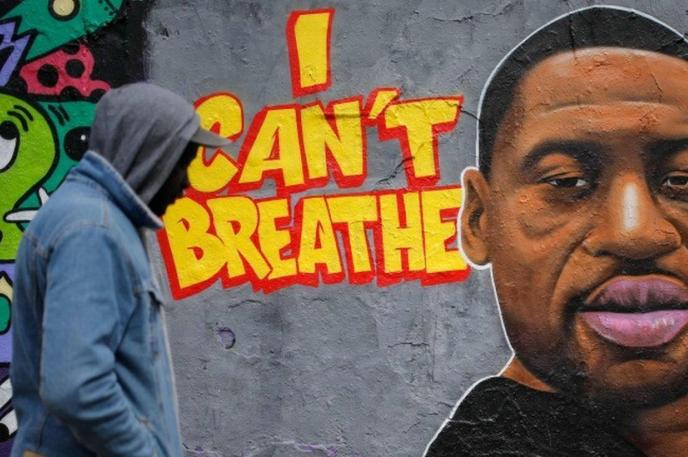
    In the wake of last week's guilty verdict in the case against Derek Chauvin, it is important to remember true justice comes when there are no longer cases like George Floyd's and those of the people who don't make national headlines.

    Black Lives Still Matter - Part 2

    April 29, 2021

    This blog was written as part of Charlotte Mecklenburg Library's Black Lives Matter program initiative. Learn  more about the program and corresponding events here.

    Last week the man that murdered George Floyd was found guilty by a jury of his peers, was handcuffed, and carted off to prison to await sentencing. I don't believe that people were prepared for the criminal justice system to hold Derek Chauvin accountable for the crimes he committed against George Floyd and it's quite shocking that Derek Chauvin was held responsible. It shouldn't have been, but it was. Many people call this justice, but this verdict was more about accountability. Justice wouldn't let the killing of Black bodies at the hands of police continue to go on. I believe that protesters were fully prepared to cause a stir, and rightly so, there were celebrations in the streets this time. We all breathed a collective sigh of relief when the judge read all three guilty counts, however, it should not be like this.

    The trial took several weeks to deliberate, with the world waiting on bated breath. And, if it weren't for Darnella Frazier, I'm not sure we would have reached three significant guilty verdicts. For those who may not know, Frazier was a bystander on the day George Floyd was arrested. She and her 9-year-old cousin happened to be in the neighborhood, along with many other people. They decided to take out her cell phone to record the realities of Floyd's death. First off, I could not imagine the horrors they witnessed -- especially at such an early age. But what I really can't get out of my mind is that without her eyewitness account and video footage (which was the longest and most clear footage recorded that day), would the outcome of the trial be the same? Much like the footage captured of Rodney King, Frazier's video brought the truth to light and ultimately held Chauvin accountable.

    Black people's shared experience dealing with the police and lack of justice or accountability is traumatic. The trauma never ends because, on the heels of our collective relief that accountability was served, there was another police shooting of a Black body — this time, a 16-year-old child. There are no words to describe the announcement of yet another Black body being shot down by police. I can gather that numb is a feeling, and outrage. Enough is enough. Reform of the police is a necessity. It will take more than just saying but actually putting it into legislation.  

    Since the start of Derek Chauvin's trial, there have been many interactions with police that have happened or been revealed, and it's triggering. People of color have been facing some hard realities these past few weeks. A Black Army Lieutenant, Caron Nazario, was pulled over and harassed by police in Virginia. Although complying with the officer's commands, the officers excessively pursued him and caused an uproar online from the video of the interaction that went viral. Days following the body cam footage of Lt. Caron Nazario's interaction, Daunte Wright was shot and killed by a police officer after being pulled over because he had an air freshener hanging from his rearview mirror. Not even a week after that, police body cam footage was released of a 13-year-old child with his hands up being shot and killed by Chicago police. And even since the initial writing of this blog, there are more names to add to the list of people killed at the hands of police. On top of the Chauvin trial, all these things happened simultaneously, and it's heavy.

    Although heavy and traumatic, Black people continue to fight for this so-called justice. All these things are about holding people accountable because justice would require change, and change seems so far away.

    True justice comes when there are no longer cases like George Floyd's and all the men and women whose cases came before his and all the cases of the people who don't make national headlines. Black lives still matter.

    To read more about the social justice movement, criminal justice, excessive force and the police, check out our Justice and Accountability booklist on the Library's website.

    Access the Justice and Accountability Booklist

    --

    This blog was written and a collaboration of thoughts by De'Trice Fox, adult services librarian; Amrita Patel, library outreach coordinator; and Alesha Lackey, children's services manager.